Featured Articles
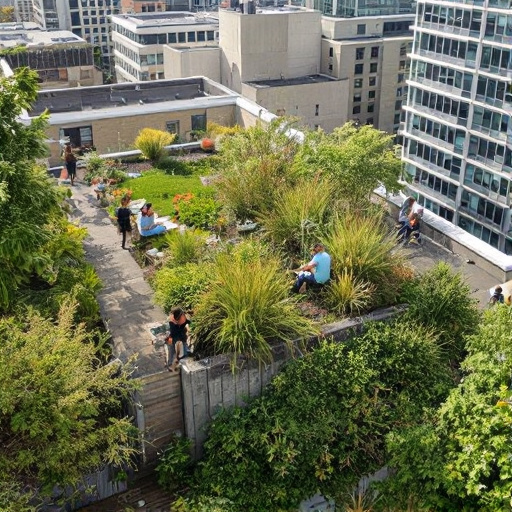
- "Forgotten Spaces: The Hidden Havens of College Campus Life Where Students Find Solace and Connection"
- "From Binge to Balance: Navigating the Rise of Mindful Drinking on College Campuses"
- "From Caffeine to Cozy: The Rise of Napping Pods in College Libraries and the Culture of Rest Amid Rigor"
- "From Dorms to Dreams: The Rise of Plant Parenthood in College Campus Life"
- "Ghosting in the Dorms: The Rise of Social Media Silence Among College Roommates"
"Forgotten Spaces: The Hidden Havens of College Campus Life Where Students Find Solace and Connection"
"Forgotten Spaces: The Hidden Havens of College Campus Life Where Students Find Solace and Connection"
The often-overlooked corners of college campuses hold unique spaces where students escape the hustle of academic life, cultivate connections, and reignite their creativity. This article explores lesser-known havens that provide solace and community amidst the flurry of youth, examining their significance through personal accounts, statistics, and real-life case studies.
The Power of Solitude in a Chaotic World
Remember the wild rush of orientation week? The chatter of students scrambling to find their classes, the loud music spilling from every corner? In that chaos, you may have missed those hidden nooks that can make college life feel a bit more manageable. A study published in the Journal of College Student Development indicates that students with access to peaceful spaces report significantly higher levels of satisfaction with their college experience (Hood, 2019).
Serenity in the Gardens
One of the most cherished yet unnoticed locations on many campuses is the botanical garden. At the University of California, Santa Cruz, for instance, the campus garden offers students a sanctuary filled with native plants and quiet pathways. “I go there to escape,” shared Angela, a junior architecture major. “Everything feels lighter among the flowers and the whispers of the wind.” Various colleges possess similar gardens, and schools with green spaces have seen a boost in student performance, as noted in research from the University of Minnesota (Kuo, 2017).
A Library, but Not as You Know It
When you think library, what comes to mind? Towering stacks of books? Silence so profound it feels like you could hear a pin drop? But in many universities, creativity lounges and collaborative spaces within libraries are transforming the traditional study scene. Libraries such as the University of Washington’s Odegaard Undergraduate Library provide comfortable couches, group study rooms, and even art installations, making them more than just a refuge for study; they become vibrant community hubs where ideas bloom.
Did You Know?
According to a National Center for Educational Statistics report, around 80% of students seek a community or a sense of belonging during their college years (NCES, 2020). Yet it's the lesser-known spaces that often answer that call.
The Café Culture
Step into any bustling café on campus, and you might find a melting pot of ideas brewing alongside the coffee. Not only do these spaces offer a caffeine fix, but they also provide a platform for informal networking and socializing. “I met my best friends in the campus coffee shop,” reminisces Laura, a recent graduate. While Starbucks might dominate the scene elsewhere, many campuses have independent coffee shops that foster intimate interactions. The ambiance, coupled with the aroma of freshly brewed coffee, transforms casual drop-ins into engaging conversations and lasting friendships.
The Art of Being Young and Free
The art studio on campus might be another oasis of creativity. While often overlooked in the mad rush to pursue majors with seemingly more “valid” career paths, a space dedicated to artistic expression thrives on rejuvenation and connection among peers. Numerous studies underscore the mental health benefits of creative outlets. A 2021 study found students participating in arts-based activities show a 25% increase in feelings of wellbeing (Harris et al., 2021).
A Story of Transformation
Take Jamie, a sophomore who initially shied away from the studio scene. “I felt out of place,” he confessed, “but once I started attending those group sessions, I found a family.” Jamie now hosts weekly events, showcasing how brief experiences can lead to lifelong bonds.
The Enchanted Forest: Nature Trails on Campus
Many schools sit nestled on campuses cradled by nature, with trails winding through woods or along lakes. Eastern Washington University, for example, features a picturesque landscape that serves as a backdrop for outdoor recreation and reflection. It’s not just a trail; it’s a breathing space. Nature studies suggest even short bursts of walking in such enchanting settings can reduce anxiety levels by up to 30% (Berman et al., 2012).
Unplug and Reconnect
In this digital age, taking a moment to disconnect can feel revolutionary. The recounting of students meeting in serene alcoves to read books and share laughter brings life back to the idea of community. By sharing stories amongst friends, students build bonds and nurture mental wellness—a fact supported by research showing that social connections enhance cognitive resilience (Holt-Lunstad et al., 2010).
The Coffeehouse Effect
While we’re on the topic of coffee, let’s delve into the importance of impromptu meet-ups. There’s something magical about a campus coffeehouse where spontaneous performances or open-mic nights create an electric atmosphere of camaraderie. Many students look forward to open mic nights, which allow them to express their creativity while also engaging with fellow peers. The artistry found in songwriting or poetry recitals often brings students closer, forming lasting connections.
Change Your Colors: The Impact of Art Walls
As campuses evolve, so do their creativity outlets. Many institutions now integrate collaborative art walls, where students can express their thoughts, messages, and creativity visually. These walls invite passersby to contribute and to share artwork, notes, or even simple inspirational phrases. Participation fosters a sense of ownership and pride, giving clarity to how small actions create monumental impacts.
Statistics Speak
It’s interesting to note that participatory art initiatives in colleges have been linked to an increase in student interaction by up to 40% (Universal Art Studies, 2022). As students paint their narratives, they often forge unexpected relationships.
Making Room for Emotional Wellness
Campus spaces dedicated to emotional health, such as wellness centers, offer not just professional therapy but also group gatherings and educational workshops. Such environments bolster connection and understanding among students. In fact, a report by the American College Health Association noted that universities increasingly focus on integrating emotional health into the overall student experience (ACHA, 2020). The availability of mindfulness sessions has even risen by 200% over the past five years across campuses nationwide.
Finding Your Haven
Ultimately, the quest for solace and connection in college often leads to exploration. Whether it’s a secluded bench by a tranquil pond or an art studio buzzing with creativity, these forgotten spaces serve as reminders that college can be both enriching and fulfilling beyond textbook learning. Insights reveal that students actively searching for community should seek out these spaces, where collective experiences can foster friendships and enhance wellness.
Closing Thoughts
As students navigate the tumultuous journey of academic life, it’s crucial to emphasize that connections, solace, and creativity can often be found just off the beaten path. Colleges and universities need to prioritize these forgotten spaces to guarantee their students thrive not only academically but emotionally, as well. After all, it's in these hidden havens that friendships blossom, creativity flourishes, and memories are created. Don't let the vibrance of college life be confined merely to classrooms and libraries. Go out, explore, and you may just discover the heart and soul of your campus.
In the grand design of a college education, we must not forget to seek solace where we least expect it, cherishing what survives beyond the textbooks and corridors. After all, it's the uncharted territories that often make the greatest impact.
Related Articles