Featured Articles
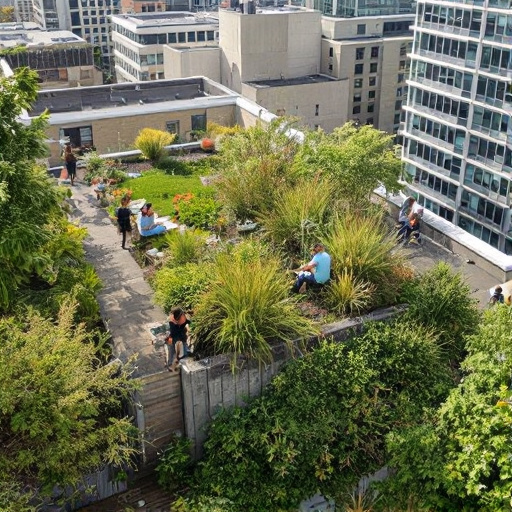
- "Forgotten Spaces: The Hidden Havens of College Campus Life Where Students Find Solace and Connection"
- "From Binge to Balance: Navigating the Rise of Mindful Drinking on College Campuses"
- "From Caffeine to Cozy: The Rise of Napping Pods in College Libraries and the Culture of Rest Amid Rigor"
- "From Dorms to Dreams: The Rise of Plant Parenthood in College Campus Life"
- "Ghosting in the Dorms: The Rise of Social Media Silence Among College Roommates"
"From Binge to Balance: Navigating the Rise of Mindful Drinking on College Campuses"
"From Binge to Balance: Navigating the Rise of Mindful Drinking on College Campuses"
As the trend of mindful drinking sweeps across college campuses, students are finding new ways to approach alcohol consumption that favor moderation over excess. This article explores the rising culture of mindful drinking, examining the motivations behind it, the benefits it offers, and the initiatives being launched to support students in their quest for balance.
The Shift: From Binge Drinking to Mindful Choices
Once a staple of college life, binge drinking appears to be slowly fading into the background. A 2022 National Institute on Alcohol Abuse and Alcoholism (NIAAA) report revealed that only 28% of college students engaged in binge drinking in the past month, a striking decrease from 45% a decade ago.
This shift can be attributed to increasing awareness of the consequences of heavy drinking—not just the hangover, but the legislative, health, and social repercussions. As college students return to campus post-pandemic, many are reassessing their drinking habits with a mindset toward better overall well-being.
The Personal Journey: A Student's Perspective
Consider the story of Emily, a 21-year-old junior at a midwestern university. Last year, after what she described as her "rock bottom moment" during a particularly chaotic night out, she decided that it was time to rethink her relationship with alcohol. “I was tired of the hangovers, the regret, and the impact it had on my friendships,” she shared, reflecting on her journey toward mindful drinking.
Emily began researching alternatives to traditional drinking culture and discovered non-alcoholic options that allowed her to enjoy social situations without the side effects of alcohol. Her experience is not isolated; many students are moving toward similar choices, finding that fun and socializing do not have to be synonymous with inebriation.
Statistics That Speak Volumes
The statistics show that college students are increasingly favoring moderation over madness. According to a survey conducted by the American College Health Association in 2023, nearly 60% of students reported reducing their alcohol intake in favor of healthier lifestyle choices. Even more telling, a 2021 CDC report found that 70% of college students prefer socializing in environments where non-alcoholic options are available.
Mindful Drinking: What Is It Exactly?
Mindful drinking is more than just cutting down on drinks; it’s a cultural movement aimed at fostering self-awareness around drinking habits. It promotes the idea of enjoying drinks in moderation, savoring flavors, and understanding one’s limits without letting social pressures dictate behaviors. The movement is often associated with brands focusing on low-alcohol and non-alcoholic beverages, alongside experiences that encourage connection over consumption.
Shattering the Stigma
For many students, there’s still a stigma surrounding not drinking alcohol in social settings. However, this perception is changing as more individuals publicly share their sober or low-alcohol choices. Initiatives such as "Sober September" or "Dry January" encourage temporary sobriety, allowing students to re-evaluate their drinking patterns in a supportive environment. The phenomenon, especially prominent on social media, illustrates a broader acceptance of diverse social choices.
Events that embrace sober activities are growing in popularity, from yoga in the park to trivia nights with craft sodas, illustrating that college culture is evolving. Platforms like Instagram have seen an influx of posts tagged with #mindfuldrinking, showcasing a community coming together in shared experiences—without the buzz.
The Role of Universities
Colleges and universities are responding to these trends by fostering programs aimed at supporting mindful drinking. Initiatives include educational workshops on alcohol and its effects, counseling services, and abstinence-oriented social events. For example, one East Coast university implemented a ‘Student Wellness Advisory’ to promote mental health and responsible drinking habits among its student body, drastically reducing rates of alcohol-related incidents.
Case Study: Towards Balance
Let’s look at the case of a university in California that introduced a program aimed at reducing binge drinking. The program included peer-led discussions about alcohol use, the establishment of non-alcoholic beverage stations during parties, and workshops aimed at understanding alcohol's effects on mental health. The results were impressive—within two years, reported incidents of binge drinking dropped by 25%, underscoring the impact a proactive approach can have.
Building Community: Connecting Beyond Alcohol
Creating a sense of community is crucial for many students, and mindful drinking encourages forming connections without the crutch of alcohol. Social platforms and apps specifically focusing on sober social events are emerging, bringing together students interested in finding new forms of entertainment that don't revolve around drinking.
From hiking groups to book clubs, students are discovering that genuine connections can be made over shared interests rather than shots and pints. These organic relationships can provide more fulfilling experiences, enriching their college years without the need for excess.
The Future of Socializing in College
As more students embrace mindful drinking practices, it's likely this trend will further shape social norms. With less focus on parties centered around alcohol, universities might soon witness students organizing more diverse events based on personal interactions rather than drinking culture.
The Role of Non-Alcoholic Alternatives
One of the most significant shifts in college drinking culture is the introduction of non-alcoholic alternatives. While craft brews and cocktails are cultural staples, the rise of non-alcoholic spirits and beers offers students new ways to enjoy social gatherings. Brands like Seedlip and Athletic Brewing have gained traction on campuses, providing innovative options and proving that fun can come without the hangover.
Ongoing Education and Support
Education plays a pivotal role in supporting students on their journey to mindful drinking. Alcohol awareness courses and campus workshops can help deconstruct the myths surrounding alcohol and provide practical strategies for moderation. For instance, a research study published in the Journal of Studies on Alcohol and Drugs indicated that students receiving education on alcohol use were 40% less likely to engage in heavy drinking.
A Call to Action: Encourage Mindful Choices
As college students, allies, and administrators, we can all contribute to fostering an environment supportive of mindful drinking. Hosting events that promote non-alcoholic options, encouraging healthier social activities, and being conscious of our drinking habits can cumulatively create a healthier campus culture.
Conclusion: Embracing Balance
Mindful drinking represents not just a trend but a necessary cultural shift among college students. Through fostering environments promoting awareness, education, and connection, students can cultivate a healthier relationship with alcohol—prioritizing balance over bingeing. As this movement grows, we can hope to see campuses become vibrant, inclusive spaces where all students can socialize without excess expectations.
In a world flooded with messages promoting party culture, it's refreshing to see the rise of mindful drinking as a counterbalance. It's a win-win for health and happiness, and who could ask for more than that?
Related Articles