Featured Articles
- "Forgotten Spaces: The Hidden Havens of College Campus Life Where Students Find Solace and Connection"
- "From Binge to Balance: Navigating the Rise of Mindful Drinking on College Campuses"
- "From Caffeine to Cozy: The Rise of Napping Pods in College Libraries and the Culture of Rest Amid Rigor"
- "From Dorms to Dreams: The Rise of Plant Parenthood in College Campus Life"
- "Ghosting in the Dorms: The Rise of Social Media Silence Among College Roommates"
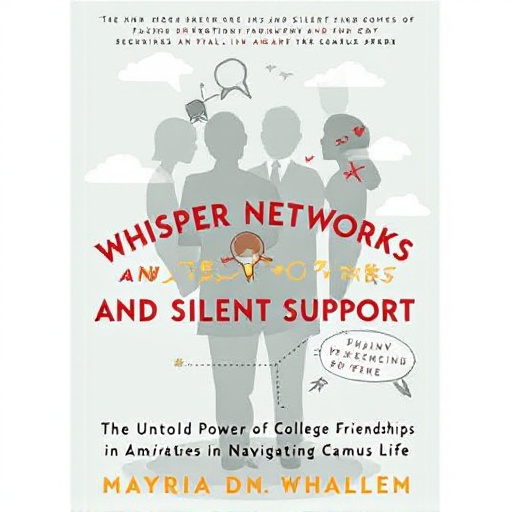
Whisper Networks and Silent Support: The Untold Power of College Friendships in Navigating Campus Life
Whisper Networks and Silent Support: The Untold Power of College Friendships in Navigating Campus Life
Whisper networks among college friends often wield a quiet yet profound influence, shaping campus life and helping students navigate challenges. In this exploration, we delve into the dynamics of these informal systems of support, the impact of shared experiences, and the often underappreciated power of friendship during the college years.
The Fabric of Friendship: Weaving Together Lives
Imagine a group of friends sitting in a college dorm, late at night, laughter punctuating the air as they share secrets and dreams. This is more than just camaraderie; it’s a covert network that can support and uplift. These friendships create a safe space where students can openly discuss their fears, share vital information about resources, or warn each other about difficult professors.
Statistics Speak: The Importance of Connection
According to a 2020 report by the National College Health Assessment, 63.5% of college students reported feeling overwhelming anxiety. It comes as no surprise that a strong support network can alleviate some of this stress. While academic counselors and professional therapists play a critical role, the everyday interactions with friends often form the backbone of emotional resilience.
Silent Support: When Words Aren't Enough
Sometimes the best support is unspoken. During finals week, for instance, a friend may leave a bag of snacks on your desk, knowing you’re too busy to eat. They don’t need to say anything; their actions scream, “I see you, and I'm here for you.” This is the silent language of friendship—a bond that doesn’t always require dialogue but instead relies on mutual understanding and empathy.
The Role of Shared Experiences
Friendships in college often thrive on shared experiences, from navigating the chaos of orientation week to surviving unending group projects. A powerful case study can be drawn from the narrative of a renowned college sorority—let's call it Delta Kappa Nu. This sorority had informal gatherings to help new members adjust, which evolved into a whisper network providing vital tips on everything from managing grades to dealing with campus safety.
When Whisper Networks Go Wrong: A Cautionary Tale
However, shift the narrative slightly, and there can be pitfalls. Whisper networks can sometimes perpetuate misinformation or breed negativity. For example, consider a scenario where college gossip rippled through campus, leading to a characterization of a professor as “the worst.” Although it can protect students from a challenging class, this kind of whisper network can have a detrimental effect, reducing students’ chances for a more nuanced understanding. As the saying goes, knowledge is power—but only when it’s accurate.
Finding the Balance
To cultivate a healthy whisper network, transparency and accountability among friends are crucial. If a friend hears a rumor about another classmate, it’s essential to approach the subject thoughtfully, considering the possible impact on the person involved. Friendships flourish when they are based on trust, empathy, and open communication, which allows them to assist in navigating campus challenges effectively.
A Personal Reflection: My College Journey at 22
At 22, my college experience included a blend of exhilarating highs and crushing lows. I still remember how a quick chat with a friend on a rainy Tuesday about our shared struggles with a particularly demanding course led to a strategy session over coffee. We started sharing resources and tips about study techniques that transformed our bleak weeks into productive ones, all stemming from a moment of relational vulnerability.
Encouraging Active Support Systems
As students navigate the trials of academic life, it's essential to cultivate active support systems. Engaging in open discussions about mental health and empowerment can pave the way for more meaningful connections. Consider this: studies show that friendships formed during college significantly impact one’s career trajectory and personal development in later life (Wang, 2021). If those friendships are rooted in healthy communication and silent support, their influence extends far beyond graduation ceremonies.
Building Intentional Networks
Additionally, students can take proactive steps to create intentional networks. Joining clubs or organizations that align with personal interests doubles as a social avenue and a professional pathway. For instance, a student in the environmental science program might join a sustainability initiative on campus, forming friendships while fostering advocacy for issues they care deeply about.
The Adventure of Exploring Diversity
College is also a unique opportunity to interact with people from diverse backgrounds. One can learn and grow by connecting with peers from various cultures, experiences, and perspectives. Creating networks that embrace this diversity enriches the college experience and nourishes the underlying lessons of empathy and understanding—crucial aspects of building a strong support system.
Bringing Humor into the Equation
Let’s not forget humor—one of the most powerful connectors! The ability to laugh through the chaos of college life not only eases tension but also fosters deeper connections. Ever tried to pull an all-nighter with just coffee and a pack of stale gummy bears? Trust me; that will create a bonding experience that transcends the ordinary, and soon enough, it will become a beloved inside joke!
Final Thoughts: The Unseen Power of Campus Friendships
In conclusion, the unsung power of whisper networks among college friendships provides a unique resilience to navigate campus life. By embracing the silent support that exists within these bonds, students can empower each other through academic stress, personal challenges, and moments of joy. It’s in these unspoken connections where true strength lies.
As a 70-year-old reminiscing about my time at university, the echoes of laughter and shared secrets have remained with me long after turning in my last assignment. College friendships are indeed timeless treasures that not only shaped moments but laid the foundation for enduring connections in life.
Looking Ahead: Building Future Networks
As we look toward the future, it remains clear that nurturing these networks is just as vital as the lessons learned in classrooms. With technology paving new paths, students can now connect beyond campus borders through social media and online platforms. Each whisper, typed or spoken, continues to weave the threads of resilience, creating a tapestry rich with support, empowerment, and growth.
So, whether you’re navigating college at sixteen or seventy, remember: the power of your friendships may just be the most potent tool at your disposal. Speak softly, act kindly, and foster networks that will propel you forward on this exciting journey of life.
Related Articles