Featured Articles
- "Forgotten Spaces: The Hidden Havens of College Campus Life Where Students Find Solace and Connection"
- "From Binge to Balance: Navigating the Rise of Mindful Drinking on College Campuses"
- "From Caffeine to Cozy: The Rise of Napping Pods in College Libraries and the Culture of Rest Amid Rigor"
- "From Dorms to Dreams: The Rise of Plant Parenthood in College Campus Life"
- "Ghosting in the Dorms: The Rise of Social Media Silence Among College Roommates"
"From Caffeine to Cozy: The Rise of Napping Pods in College Libraries and the Culture of Rest Amid Rigor"
"From Caffeine to Cozy: The Rise of Napping Pods in College Libraries and the Culture of Rest Amid Rigor"
The increasing presence of napping pods in college libraries marks a significant shift in student culture, valuing rest alongside rigorous academic pursuits. This article explores the rise of these cozy sanctuaries, their impacts on student well-being, and a growing recognition of the importance of rest in maintaining mental health and academic performance.
The Emergence of Napping Pods: A Cozy Evolution
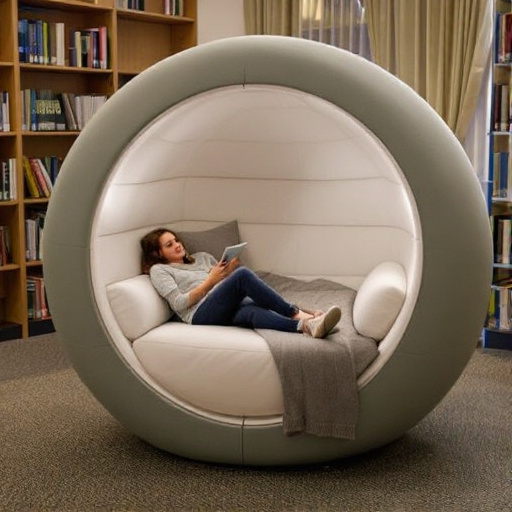
In recent years, the sound of clicking keyboards and hushed whispers in college libraries has been intermittently replaced by the gentle hum of napping pods. These modern sanctuaries for sleep have been popping up in academic libraries across the nation, creating a buzz as students emphatically endorse their necessity. But why are these pods taking center stage in a place traditionally designed for hard work?
The Science of Sleep: Why Naps Matter
The importance of sleep is a focus of significant research, with institutions like the National Sleep Foundation linking adequate rest to improved cognitive function, creativity, and emotional well-being. A study conducted by Harvard University found that a nap of just 20 minutes can boost alertness and performance by as much as 34%. Take that, caffeine!
A Student’s Perspective: The Caffeine Trap
As a 21-year-old college student, I’ve often found myself caught in the caffeine trap: the cycle of coffee and energy drinks fueling late-night cramming, followed by early morning classes. It was during a particularly exhausting finals week that I stumbled upon a napping pod in the library, beckoning me to trade my coffee for some well-deserved slumber. The experience was transformative, to say the least. I emerged from that pod not just recharged but with a clarity I hadn't felt for days. The caffeine craze seemed all too trivial compared to the efficacy of a good nap.
What Do These Pods Look Like?
Modern napping pods are sleek, often equipped with ambient lighting, white noise machines, and even customizable features like temperature control. Institutions like St. Mary’s College of California and the University of Arizona have invested in these stylish units, turning the dreary stereotype of library nooks into cherished havens for rejuvenation.
Cultural Shift: From Hustle to Harmony
What is behind this burgeoning trend? A broader cultural shift seems underway, particularly among younger generations. Acknowledgment of mental health—as evidenced by the increasing dialogue around burnout and stress—has triggered colleges to reassess student resources. According to a survey by the American College Health Association, approximately 90% of college students reported feeling stressed, which indicates the need for systemic solutions like napping pods.
The Perfect Blend of Productivity and Rest
Some naysayers may argue that the introduction of napping pods promotes laziness. However, research argues otherwise. A study published in the Journal of Clinical Psychology showed that students who integrated short naps into their studying reported feeling more energized and maintaining better focus during their awake hours. In the fast-paced world of academia, is it not wise to balance hustle with harmony?
How Colleges Are Getting Creative with Naptime
Colleges are creatively encouraging this culture shift by hosting “nap weeks” alongside finals, offering prizes for those who log the most hours in the pods. Imagine a competition where the goal isn’t just academic success, but also reclaiming a well-deserved respite! These events provide a much-needed break, reminding students that all work and no play—or sleep—truly just isn’t sustainable.
Case Studies: Successful Implementations
Universities like the University of Massachusetts Amherst have witnessed profound success since introducing napping pods in 2017. Students raved about the benefits, with some claiming that their academic performance saw noticeable improvements after incorporating napping into their routines. Who would've thought that a simple 20-minute snooze could lead to such heightened success?
The Fight Against Stigma
The growing acceptance of napping as a legitimate form of self-care has begun to dismantle the stigma surrounding rest. Young professionals and college students alike are loudly proclaiming, “Napping is NOT lazy; it's restorative!” And as more institutions adopt these practices, the culture continues to evolve in favor of balance.
Adopting a Mindful Approach to Rest
The trend of napping pods also aligns with the wider movement towards mindfulness. Colleges are increasingly implementing programs that advocate for mental well-being, which often include stress-relief workshops, peer support groups, and, of course, places to nap. It’s akin to creating a wellness-centric campus, where physical and emotional health are prioritized equally alongside academics.
Investments That Pay Off
Making the investment in napping pods could very well yield significant returns for colleges. A 2019 report by the Centre for Collegiate Mental Health indicated a direct correlation between campus mental health initiatives—such as implementing napping spaces—and improved student success and retention rates. Isn’t it wonderful when investing in student well-being translates directly into academic success?
Conclusion: A Call to Action for Colleges
As students, we are in a constant tug of war between academic obligations and our well-being. Colleges have the power to shift this narrative by normalizing the practice of resting. So the next time you’re cramming information before a final, consider this: What if a few moments in a nap pod could unlock an entirely new level of clarity and performance? The strength of our collegiate experience rests not solely in caffeine-fueled nights but also in acknowledging our human need for cozy reprieve.
In Closing: Embracing the Power of a Nap
As colleges continue to embrace the culture of rest and create spaces that encourage well-being, we as students should champion the notion that rest is an integral part of productivity. So let's put the coffee down and embrace a cozy nap instead—it might just be the secret ingredient for academic success! After all, a collective appreciation for sleep can transform the collegiate landscape into one that treasures both achievement and self-care.
Related Articles