Featured Articles
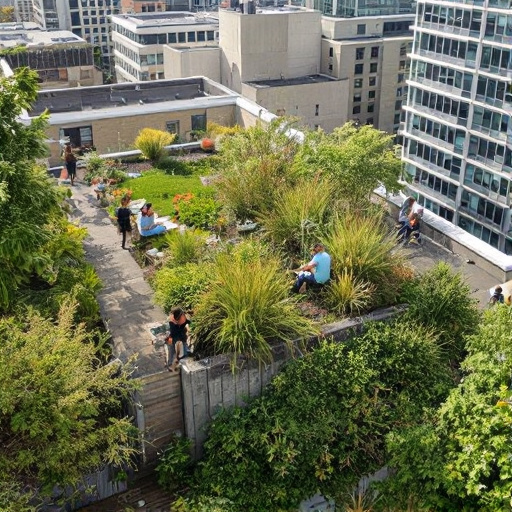
- "Forgotten Spaces: The Hidden Havens of College Campus Life Where Students Find Solace and Connection"
- "From Binge to Balance: Navigating the Rise of Mindful Drinking on College Campuses"
- "From Caffeine to Cozy: The Rise of Napping Pods in College Libraries and the Culture of Rest Amid Rigor"
- "From Dorms to Dreams: The Rise of Plant Parenthood in College Campus Life"
- "Ghosting in the Dorms: The Rise of Social Media Silence Among College Roommates"
"From Dorms to Dreams: The Rise of Plant Parenthood in College Campus Life"
"From Dorms to Dreams: The Rise of Plant Parenthood in College Campus Life"
The phenomenon of plant parenthood has flourished within college campuses, creating a unique subculture of nurturing green companions that enhance students' lives amid the challenges of academia. From fostering mental wellness to beautifying dorm rooms, the rise of indoor gardening represents much more than a fad—it’s a transformative movement in student culture.
The Growing Trend: Why College Students are Choosing Plants
In recent years, a remarkable trend has emerged: college students are increasingly turning to plants for companionship and comfort. According to a study by the National Gardening Association, approximately 35% of Millennials and Generation Z (those aged 18-34) reported that they consider themselves plant parents. This statistic reflects not just a growing interest in botany but an urgent need for connection, especially during an age characterized by isolation and anxiety.
Plants as Stress Relievers
Balancing coursework, social lives, and potential part-time jobs can be overwhelming. Recent research conducted by psychologists at the University of Queensland found that having plants in your living environment can significantly reduce stress and anxiety levels. In their study, participants who were surrounded by greenery reported feeling calmer and more focused compared to those without plant presence. The results are impressive: a 37% reduction in stress levels and a noticeable improvement in emotional well-being. For many students, a succulent or a fern can serve as a little green anchor amidst the storm of deadlines and exams.
Penny's Story: Finding Solace in Greenery
Take, for example, Penny, a sophomore at a midwestern university. Juggling a double major and a part-time internship, she found solace in caring for her flourishing plant collection, which now includes several types of orchids and an impressive peace lily. “I never thought I'd be a plant person,” she chuckles, “but watering them at the end of the day feels like a personal retreat.” When complements poured in about her dorm’s fresh aesthetic and vibrant energy, Penny found herself proudly explaining her meticulous plant-care routine—a real feat for someone who once struggled to keep a cactus alive.
The Practical Aspects of Plant Parenthood
The hands-on care needed for indoor plants also nurtures essential life skills. Research from the Royal Horticultural Society illustrates that gardening requires discipline, planning, and patience—traits that are vital for any college student. Many students integrate their plant care routines into their schedules, learning how to balance leisure and responsibility. Simple chores like watering, feeding, and pruning not only provide a break from studies but also serve as practice for future home life.
Social Connections Through Green Thumbs
Plants have an unusual ability to foster community among students. Colleges across the country have been introducing "plant swaps"—events where students trade cuttings and seedlings, share tips, and build friendships. These engagements serve a reminder that even in the busiest college years, one can find camaraderie in shared interests. A case study at a California university noted that students who attended these swaps reported improvements in their social connectedness by 22% over time.
The Sustainability Factor
Moreover, the concept of sustainability is twofold. While nurturing plants, students are also cultivating an awareness of their impact on the environment. Many campuses now host workshops about sustainable gardening practices, promoting the idea that caring for your plants can also mean caring for the planet. Being involved in such activities encourages students to make more ecologically sound choices, both during college and in their everyday lives.
Student-Driven Initiatives
Some universities have gone the extra mile by establishing greenhouses and community gardens. A notable example is the campus of the University of Florida, where students can cultivate herbs and vegetables (for use in campus dining halls!). These initiatives highlight a step beyond individual plant parenthood; they represent an evolution into sustainable community practices. The environmental science department has reported significant student engagement, with nearly half of the student body participating in contributing to campus gardens in recent years.
Incorporating Plants into Small Spaces
For many college students, space is at a premium. Small dorm rooms and apartments present unique challenges, yet this has inspired creativity in the way students incorporate plants into their lives. Vertical gardening, terrariums, and air plants—known for their low maintenance needs—are becoming popular choices. Modular and adaptable, these solutions allow students to decorate their living spaces with greenery without losing valuable real estate.
The Overlooked Benefits of Plants
Besides aesthetic appeal and emotional peace, plants also contribute to improved air quality. According to NASA’s Clean Air Study, several houseplants, like snake plants and spider plants, can help filter out harmful toxins from indoor air. Coupled with the lungs' ability to breathe a little easier, this health benefit is another reason students opt for a leafy roommate. For these reasons, plant parenthood could be conclusively better for one’s mental and physical health while living away from home.
Economic Factors: Affordable Green Companions
From a financial standpoint, the rise of plant parenthood is accessible. With many plant species available at budget prices, even the most frugal students can afford to cultivate their own green sweethearts. Local nurseries, thrift stores, and even online platforms like Etsy or Facebook Marketplace provide a plethora of affordable choices. The psychological boost of nurturing life can be obtained without breaking the bank—making plant parenthood an economically inclusive hobby.
Fostering Creativity and Mindfulness
Plants also prompt creativity and mindfulness in the chaotic college atmosphere. Engaging in plant care can be an act of mindfulness, where students focus entirely on the present moment. Whether it's repotting succulents or simply observing new growth, the deliberate attention given to plants cultivates a meditative experience. Additionally, many students have taken to social media, proudly showcasing their plant collections, inspiring others, and creating a culture of plant appreciation. Hashtags like #PlantParents and #HomePlanting are virally trending on platforms like Instagram, enhancing the community’s shared experiences.
A Light-hearted Look at Plant Parenthood
Of course, not every plant will survive the student lifestyle. The horror stories are abundant: the all-too-common incident of discovering a long-forgotten, wilting fern in the corner of a packed dorm room or discovering that a beloved cactus was accidentally overwatered. One student quips, “I thought I would be nurturing life, but I'm actually leading a mass extinction!” The humor surrounding these experiences often leads to bonding moments among roommates over ruined greens and memory-making anecdotes.
Looking Ahead: The Future of Plant Parenthood in College
As colleges continue to adapt to modern student needs, we can expect plant-focused initiatives to grow. Making space for nature within educational environments presents opportunities not only for ecological responsibility but also for mental health enhancement. With growing trends like succulent lounges or outdoor "plant socials" on the horizon, it's likely that plant parenthood will remain an integral part of campus culture in the years to come.
The Last Leaf: Encouragement for New Plant Parents
As you ponder whether to adopt a green companion, consider this: nurturing a plant can mirror your own college journey. In both cases, there will be challenges, growth periods, and sometimes, heartbreak. But like a thriving plant, you'll find that with patience and care, your life can flourish in ways you never anticipated. More importantly, being a plant parent can become a meaningful partnership during those late-night study sessions or overwhelming times on campus. So why not give it a try? You may just cultivate a lifelong love for greenery.
Related Articles