Featured Articles
- "Forgotten Spaces: The Hidden Havens of College Campus Life Where Students Find Solace and Connection"
- "From Binge to Balance: Navigating the Rise of Mindful Drinking on College Campuses"
- "From Caffeine to Cozy: The Rise of Napping Pods in College Libraries and the Culture of Rest Amid Rigor"
- "From Dorms to Dreams: The Rise of Plant Parenthood in College Campus Life"
- "Ghosting in the Dorms: The Rise of Social Media Silence Among College Roommates"
The Rise of Co-Living Spaces: The Next Frontier in Campus Housing Innovation
The Rise of Co-Living Spaces: The Next Frontier in Campus Housing Innovation
The rising trend of co-living spaces is transforming the way students approach housing during their college years, offering a balance of community, affordability, and support. As more institutions and developers tap into this innovative model, it’s essential to explore how co-living spaces are shaping the future of campus housing.
The Essence of Co-Living Spaces
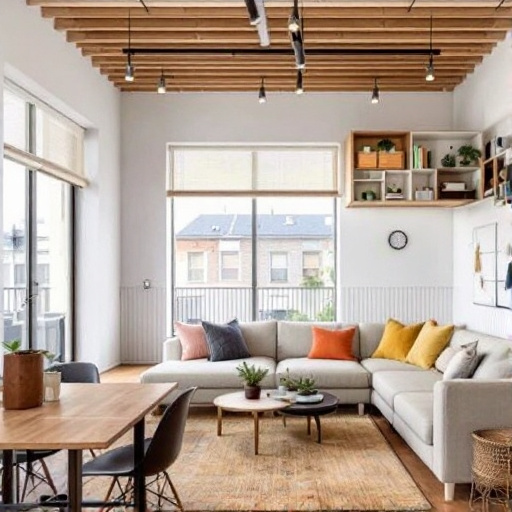
Co-living spaces are designed to foster community among residents, combining private living quarters with shared amenities and communal areas. Students can enjoy their individual space while also participating in a vibrant social atmosphere, creating a blend of privacy and togetherness that is invaluable in a campus setting.
A Brief History of Cooperative Living
Interestingly, the concept of co-living isn't as new as many might think. The model has its roots in the cooperative housing movements of the early 20th century. In 1914, the City of New York saw the establishment of the first cooperative housing unit: the Stuyvesant Town project, which aimed to bring together a community of like-minded individuals in a sustainable living environment. Fast forward to today, and you can see echoes of that movement in the rise of modern co-living spaces tailored for students.
The Benefits of Co-Living
One of the most notable advantages of co-living is affordability. As the cost of traditional student housing continues to skyrocket—an average of $12,000 per year in U.S. colleges—the necessity for cost-effective solutions has never been more pressing (College Board, 2022). Co-living spaces typically offer flexible lease agreements and the ability to share costs for amenities like utilities, cleaning services, and communal areas, making it easier for students to manage expenses.
Creating a Community
In a world that often feels overly fragmented, one of the greatest benefits of co-living spaces is the sense of community they create. In a recent study, nearly 70% of co-living residents reported feeling more socially connected to their peers compared to more traditional housing options (Co-Living Association, 2023). By hosting community meals, game nights, and study groups, residents can bond beyond academic needs and foster lifelong friendships.
Case Study: The Collective
A prime example of a successful co-living space is The Collective, based in London. Catering primarily to young professionals and students, The Collective features amenities including communal kitchens, lounges, a movie room, and even yoga classes. Residents report high levels of satisfaction, with 85% feeling the space encourages collaboration and connection with others (The Collective, 2023). This model showcases how shared living can enhance the college experience.
More Than Just Housing
Co-living spaces provide a unique opportunity for personal and professional growth as well. Many co-living developments offer programming focused on skill-building and networking, ranging from workshops about resumes and interviews to mindfulness sessions for mental well-being. In this supportive community, students are not just sharing a roof; they are sharing experiences that prepare them for life after college.
The Straight Talk: Is Co-Living Right for Everyone?
However, as with any living arrangement, co-living isn’t a one-size-fits-all solution. Some students may thrive in a quieter independent setting, while others may find communal living overwhelming. It’s crucial for students and their families to weigh pros and cons before committing to a co-living situation. Some people love having three roommates and sharing a kitchen; others would rather live in a quiet studio with four walls and their silence.
An Inclusive Future for Co-Living
Furthermore, there’s an exciting opportunity within the co-living movement to create inclusive spaces for diverse backgrounds. With thoughtful design and programming, co-living can accommodate different lifestyles, cultures, and preferences, encouraging understanding and collaboration. This inclusivity can cultivate friendships that cross cultural boundaries, allowing for a richer educational experience.
Trends on the Rise
Another compelling aspect of co-living is its adaptability to current societal trends. With the growing emphasis on sustainability, many co-living spaces have integrated eco-friendly initiatives, such as communal gardens, recycling programs, and green building practices. A study indicates that 62% of young adults prefer to live in eco-friendly environments, and co-living can significantly contribute to that desire (Global Sustainability Report, 2023).
The Humor in Shared Living
Let’s face it: living with others comes with its quirks. Ever tried sharing a bathroom with seven people? Or being stuck in the kitchen during a culinary disaster? It’s precisely these hilarious moments that often become the shared stories that residents cherish, creating a blanket of patience, laughter, and occasional chaos that binds the community together. Simply put, co-living spaces are a blend of shared lives and shared laughs.
Finding the Right Co-Living Community
For students eyeing co-living spaces, it can be an adventure in itself to find the right fit. Start by researching prospected co-living communities, paying attention to amenities, culture, and the mission of the space. Visiting different options can also help gauge the atmosphere and the types of residents who live there. A space that resonates with your vibe enhances the overall co-living experience.
What Lies Ahead
The future of campus housing is undeniably shifting towards the co-living model. With the continuous rise of remote learning and changing student demographics, developers are likely to adapt their offerings to suit evolving needs. Imagine a future where technology integrates directly into living spaces, providing seamless communication and shared resources—this innovation could elevate the co-living experience to new heights.
Perspectives from Current Residents
When talking to current residents of co-living spaces, they often share their transformative experiences. “At first, I was apprehensive,” shares Sarah, a 20-year-old co-living enthusiast. “But I found a community that feels like family. We cook together, we study together, and I’ve even joined a dance class!” Stories like hers aren’t uncommon. Co-living has the potential to redefine not just housing but connection in a transient phase of life.
Final Thoughts
As we traverse this exciting trajectory of co-living spaces on campuses, it’s imperative to recognize their invaluable contribution to the student experience. From affordability and community to opportunities for personal growth and sustainability, co-living offers numerous benefits that traditional housing can struggle to match. As the concept continues to evolve, students must remain informed and engaged, ensuring their next home is one that aligns with their values and aspirations.
So, whether you're a fresh-faced college newbie or a seasoned student looking for a change, consider co-living as a viable and exciting option. You never know; your co-living story could be the next great adventure waiting to unfold.
Related Articles