Featured Articles
- "Forgotten Spaces: The Hidden Havens of College Campus Life Where Students Find Solace and Connection"
- "From Binge to Balance: Navigating the Rise of Mindful Drinking on College Campuses"
- "From Caffeine to Cozy: The Rise of Napping Pods in College Libraries and the Culture of Rest Amid Rigor"
- "From Dorms to Dreams: The Rise of Plant Parenthood in College Campus Life"
- "Ghosting in the Dorms: The Rise of Social Media Silence Among College Roommates"
The Rise of Rooftop Living: Exploring Urban Colleges and Their Hidden Green Spaces
The Rise of Rooftop Living: Exploring Urban Colleges and Their Hidden Green Spaces
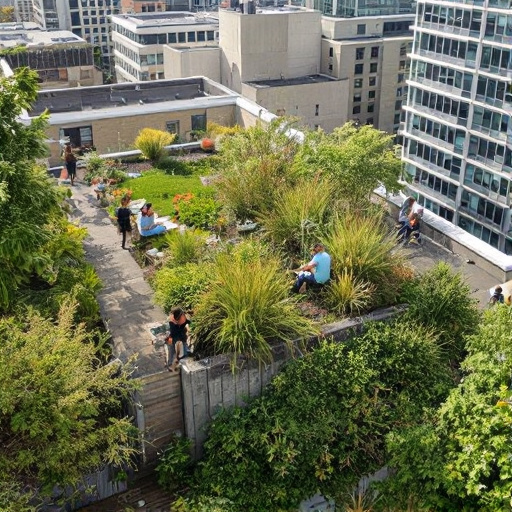
The urban environment is transforming, and rooftop living is emerging as a green sanctuary for students in bustling college cities. This article will explore the blossoming trend of rooftop gardens, green spaces, and sustainable living at urban colleges, showcasing the innovative approaches that have fostered these hidden gems.
Rooftop Gardens: The New Urban Oasis
What if I told you that your next study spot could involve the sun warming your face and the sound of birds, rather than the fluorescent lights of your campus library? Rooftop gardens are not just fashionable backdrops for Instagram selfies; they are revolutionizing urban living by providing essential green spaces that promote wellbeing among students.
The Numbers Don’t Lie
Did you know that approximately 80% of the U.S. population now resides in urban areas? (U.S. Census Bureau, 2020) As cities get denser and the skyline continues to rise, the demand for accessible green spaces has prompted urban planners and colleges alike to look skyward. Rooftop gardens and green spaces serve as lifelines to nature that many urban dwellers sorely miss.
A Case Study: NYU's Green Roofs
New York University (NYU) is a prime example of how colleges are integrating green roofs into their campuses. The NYU Green Roof Initiative has transformed the rooftops of several buildings into vibrant gardens that not only beautify the space but also aid in stormwater management and energy conservation. According to a study by NYU’s Institute for Sustainability, their green roofs can reduce energy costs by up to 25% during the summer months (NYU News). Talk about a pay-off!
Student Engagement: Cultivating Community
Beyond environmental benefits, rooftop gardens often serve as communal spaces that foster a sense of belonging among students. For instance, the rooftop garden at the University of Southern California focuses on community engagement, where students can participate in gardening workshops and sustainability seminars. Research from the American Community Gardening Association shows that participation in community gardens can improve social bonding, mental health, and well-being (ACGA, 2021). Who wouldn't want to dig their hands into the earth while also digging deeper into friendships?
The Charm of Rooftop Living
Imagine you're at the roof garden of Columbia University, surrounded by lush plants, buzzing bees, and fellow students caught up in animated discussions. As you enjoy your mid-afternoon snack, the sun glints off your iced coffee while laughter floats on the wind. This is the charm of rooftop living; it’s a blend of nature, study, and vibrant social interaction that creates significant emotional benefits. It almost feels like Time Out New York’s username could be “RooftopVibes” (hint: look it up for the best rooftop bars!).
The Sustainability Factor
Rooftop gardens do more than aggregate social interactions; they also mitigate urban heat. Studies have shown that green roofs can lower surface temperatures by as much as 40°F compared to traditional ones (Green Roofs for Healthy Cities). In the hustle and bustle of urban living, every degree matters! They also improve air quality and offer insulation, making them an essential feature for sustainable urban living.
A Slice of Serenity: Hidden Spaces
If you think rooftop gardens are the only hidden gems in urban colleges, think again. Colleges such as the University of California, Berkeley, have discovered that incorporating pocket parks—small green spaces tucked between buildings—can enhance the urban experience for students. These pocket parks often include seating areas, native plants, and artwork, providing an oasis right in the heart of the campus.
Accessibilité: Breaking Barriers
But let’s keep it real; access to these rooftop gardens isn’t always straightforward. While many institutions are working toward making their facilities accessible to all students, there's a growing need for inclusive design in urban landscapes. Gardens on the roof shouldn't be a privilege but a right. Imagine being a student with mobility issues yearning for some fresh air and greenery—there's nothing worse than hearing, “Sorry, it’s only accessible by stairs.” That's a call for action!
Cultural Importance of Green Spaces
Green spaces are not just “nice to have” anymore; they are vital for mental health, particularly among students facing the ever-harsh realities of academic pressure. According to the American Psychological Association (APA), exposure to nature can lower stress and improve mood. Urban rooftop living is part of this cultural shift toward valuing wellness and mindful living.
Green Roofs versus Conventional Rooftops
There’s an ongoing debate about whether green roofs can genuinely be more beneficial than conventional rooftops. Sure, conventional rooftops require less maintenance, but let’s take a moment to appreciate the perks of getting your hands dirty! Green roofs can serve educational purposes as well. Imagine hosting biology classes on a living roof—students can learn about local flora and fauna, pollination, and even the fundamentals of botany right in their own backyard.
Connectivity to Nature: The Urban Dilemma
In urban settings, students often feel disconnected from nature. The Brooklyn College rooftop garden offers a fantastic solution to this urban dilemma. Here, students grow fruits and vegetables in raised beds, witness the pollinators at work, and learn about sustainable gardening practices, creating a bond with nature that textbooks alone can’t provide. Again, the opportunity to roll up your sleeves and grow your own food while being stuck in the city is something worth celebrating.
The 411 on Rooftop Living: FAQs
If you’re thinking about getting involved with rooftop living at your urban college, here are some frequently asked questions:
Q: Can anyone join a rooftop garden?
A: Typically, yes! Most are open to all students, though some may have particular programs or clubs that manage them.
Q: Are rooftop gardens expensive?
A: Initially, establishing a rooftop garden may require funding, but many colleges find that the long-term benefits outweigh the costs.
Q: How does one get started in rooftop gardening?
A: Many colleges offer workshops or clubs focused on gardening; it’s a great way to meet like-minded students and learn. Just dive in!
Exploring Chicago's Rooftop Scene
Moving a bit west, let’s take a gander at Chicago. This city has embraced rooftop gardens with fervor. The rooftop garden at the University of Illinois at Chicago includes both a teaching and research component, allowing students to experiment with sustainable practices as they grow their patches of greenery. It’s a hands-on approach to learning about urban ecosystems. Who doesn’t want a lab above the cityscape?
Important Takeaways from Successful Rooftop Gardens
The success of rooftop gardens in urban colleges often hinges on a few critical elements: strong community engagement, interdisciplinary collaboration, and dedicated resources. As students, you have the power to drive these initiatives forward. Advocate for the creation of rooftop gardens if your college doesn’t have one, and if it does, get involved! These spaces can change the fabric of your urban campus and personal life.
Conclusion: Start Climbing Those Stairs
In conclusion, as college students venture into the hustle and bustle of urban life, rooftop gardens offer a refreshing escape and boost to mental and physical wellbeing. It’s a shared space of learning, growth, and community. So, let’s embrace the rise of rooftop living—climb those stairs, plant some seeds, and let nature thrive amongst the concrete jungle. The rooftop offers a promise of sustainability, connectivity, and even a way to face the stresses of student life with a smile!
Related Articles